
The Illusion of Luck in Casino Games
One of the most pervasive myths surrounding casino gambling is the belief that luck plays the dominant role in the outcome of games. Many players enter casinos with the mindset that their luck on a particular day can significantly sway the odds in their favor. However, the reality is that most casino games are governed by mathematical probabilities and odds, which means that each game is designed to favor the house in the long run. While players may hit lucky streaks, these instances are not a reliable basis for future success. For those looking for a more consistent gaming experience, online casino uk fast withdrawal options can provide a quicker way to enjoy their winnings after a game. The perception of luck can create a false sense of confidence, leading players to wager more than they can afford in hopes of a miraculous win.
Gambling often relies on randomness, which is systematically implemented through random number generators (RNG) in electronic games and the natural randomness of card shuffling and die rolls in table games. This means that every spin of a slot machine or every hand of poker is independent of previous outcomes. This detachment between perceived luck and actual game mechanics reveals that while it can feel like luck is a major factor, the odds are meticulously arranged to ensure profitability for the house. Players should understand that their past wins or losses do not influence future results, as each game operates independently.
This misconception can lead to players chasing losses based on the false belief that they will eventually win back their money. The reality is that relying on luck can lead to significant financial setbacks and a misunderstanding of how the games truly operate. Understanding the mechanics of each game and the inherent house edge can help players make more informed decisions, rather than simply relying on luck or superstition to guide their gambling experiences. By reframing their approach and focusing on strategy and knowledge, players can enhance their overall gambling experience while minimizing potential losses.
The Misunderstanding of Gambling Strategies
Another common myth in the realm of casino gambling is the idea that there are foolproof strategies that can guarantee consistent wins. These strategies often originate from players who believe that they have found a way to outsmart the system, employing tactics such as betting patterns or card counting. While certain strategies may enhance a player’s chances in games based on skill, such as poker or blackjack, they do not eliminate the house edge nor do they guarantee a profit. The allure of such strategies can sometimes lead to overconfidence, making players believe they have a greater control over the outcomes than they actually do.
For instance, card counting in blackjack can give a skilled player a slight edge over the house, but it requires immense practice, skill, and often a high level of concentration. Even then, casinos have measures in place to counteract card counting, such as shuffling decks frequently or using multiple decks simultaneously. This illustrates that while strategies can sometimes be effective, they are not a means to guarantee success, especially in games based on luck like slots or roulette where strategies have little to no impact on the outcome. Players should be cautious of claims that suggest certain strategies can consistently beat the house.
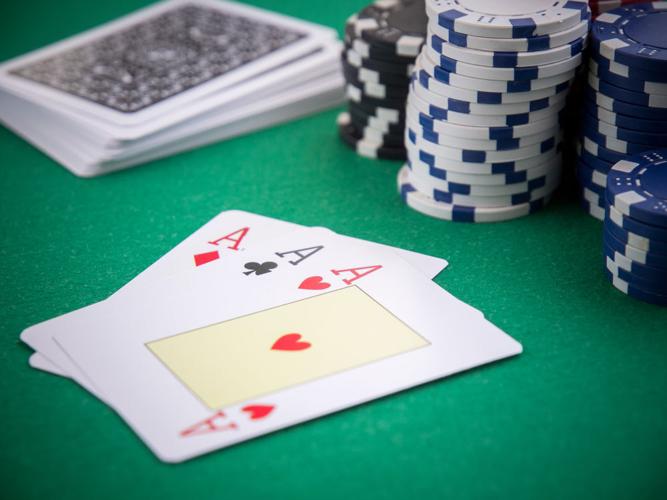
Understanding the limitations of different gambling strategies is crucial for responsible gambling. Players should approach these strategies with caution and be wary of any system that claims to provide guaranteed profits. Awareness of the inherent risks involved in gambling—regardless of the strategies employed—is vital for maintaining a positive experience and avoiding financial pitfalls associated with chasing unrealistic expectations. By recognizing the true nature of games and the unpredictability involved, players can develop a more realistic approach to their gambling endeavors.
The Myth of ‘Hot’ and ‘Cold’ Machines
Players often fall prey to the myth that slot machines can be classified as “hot” or “cold,” leading them to believe certain machines can be more profitable than others at specific times. This belief stems from anecdotal experiences where players have reported winning or losing streaks on certain machines. However, the reality is that each spin of a slot machine is random and independent from previous spins, devoid of any patterns that can be tracked over time. The randomness is a core feature of how these machines are designed, ensuring that previous outcomes have no bearing on future results.
The concept of hot and cold machines primarily arises from the human tendency to seek patterns in randomness. Casinos employ RNG technology to ensure that each outcome is fair and unpredictable. As a result, the historical performance of a slot machine has no bearing on future results, and players are often misled into choosing machines based on superstition rather than informed decision-making. This can lead to poor choices, as players may waste time and money pursuing machines they believe are due for a payout.
Understanding the nature of slot machines is crucial for players to avoid misconceptions that can lead to poor gambling choices. Instead of focusing on perceived patterns or feelings towards specific machines, players should recognize that every spin is a fresh opportunity, and thus they should wager responsibly based on their budgets rather than on whims or beliefs surrounding the machine’s performance history. By doing so, players can enjoy their gaming experience without being influenced by unfounded myths that may cloud their judgment.
The Misconception of Gambling as a Skill-Based Activity
While some casino games do involve elements of skill, such as poker or blackjack, many players mistakenly believe that all forms of gambling rely on skill rather than chance. This misconception leads individuals to approach games like slot machines, roulette, or keno with the same mindset they would apply to skill-based games, not realizing that the outcome is fundamentally different. Games that are purely based on chance do not allow players to influence the outcome through skillful play, which can lead to unrealistic expectations and potential losses. Many new players find themselves disillusioned when they realize that their skill does not translate to every game they encounter.
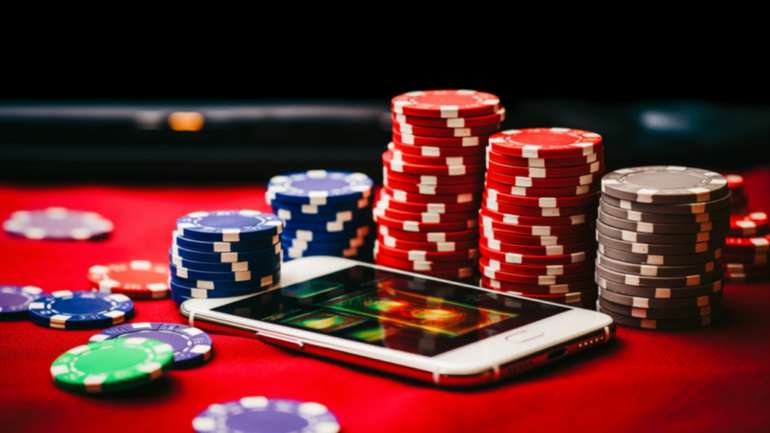
Recognizing the difference between skill-based and chance-based games is essential for developing a healthy perspective on gambling. Games such as poker require strategic thinking, reading opponents, and making calculated decisions, which can influence the game’s outcome significantly. However, in games like slots, players do not have the option to affect the results. This distinction should shape how individuals approach different games and how they allocate their time and money in a casino environment. A balanced understanding can help players select games that align with their interests and abilities.
Moreover, this myth can lead new players into the gambling world with inflated expectations, thinking they can rely on their skills rather than understanding the random nature of many games. It is essential for players to engage in responsible gambling practices, setting limits and recognizing which types of games align with their skill sets to create a balanced and enjoyable gambling experience, rather than an unrealistic quest for skill mastery across all gaming options. By embracing the entertainment aspect of gambling, players can focus on enjoyment rather than solely on winning, leading to a more fulfilling experience.
Understanding Responsible Gambling Practices
As misconceptions about casino gambling continue to permeate popular culture, it becomes increasingly vital to emphasize responsible gambling practices. Many players are drawn into gambling under the influence of myths that distort their perception of risk and management of their bankroll. Promoting responsible gambling involves educating players about the nature of the games they engage in, understanding the odds, and recognizing when to walk away. This education is key to ensuring that players are aware of the potential pitfalls and can make informed choices about their gambling activities.
Responsible gambling also extends to the importance of setting limits. Players should determine a budget before entering a casino or engaging in online gambling and stick to it to avoid falling into the trap of chasing losses. Additionally, taking regular breaks and being aware of personal triggers can prevent gambling from becoming a compulsive behavior. The notion that gambling is a pathway to quick wealth is often a mirage, making it necessary for players to approach their gambling experiences with a clear and rational mindset. By prioritizing responsible practices, players can enjoy the thrill of gaming without compromising their financial stability.
Ultimately, practicing responsible gambling safeguards not only individual players but the wider community as well. By fostering a culture of awareness and education around the realities of casino gambling, players can enjoy entertainment without the adverse effects that often accompany irresponsible gambling behaviors. Engaging with informative resources and understanding the dynamics of the gambling industry can empower players to make sound decisions, leading to a more enjoyable and balanced experience. This proactive approach can help create a safer gambling environment, where enjoyment is prioritized alongside personal responsibility.
Recent Comments